
The Future of Home Health Care: Trends and Innovations


Introduction to Home Health Care
The landscape of home health care is rapidly evolving, driven by technological advancements and a growing demand for personalized care. With an aging population and a shift towards more patient-centered services, the future of home health care looks promising and transformative.
Technological Innovations
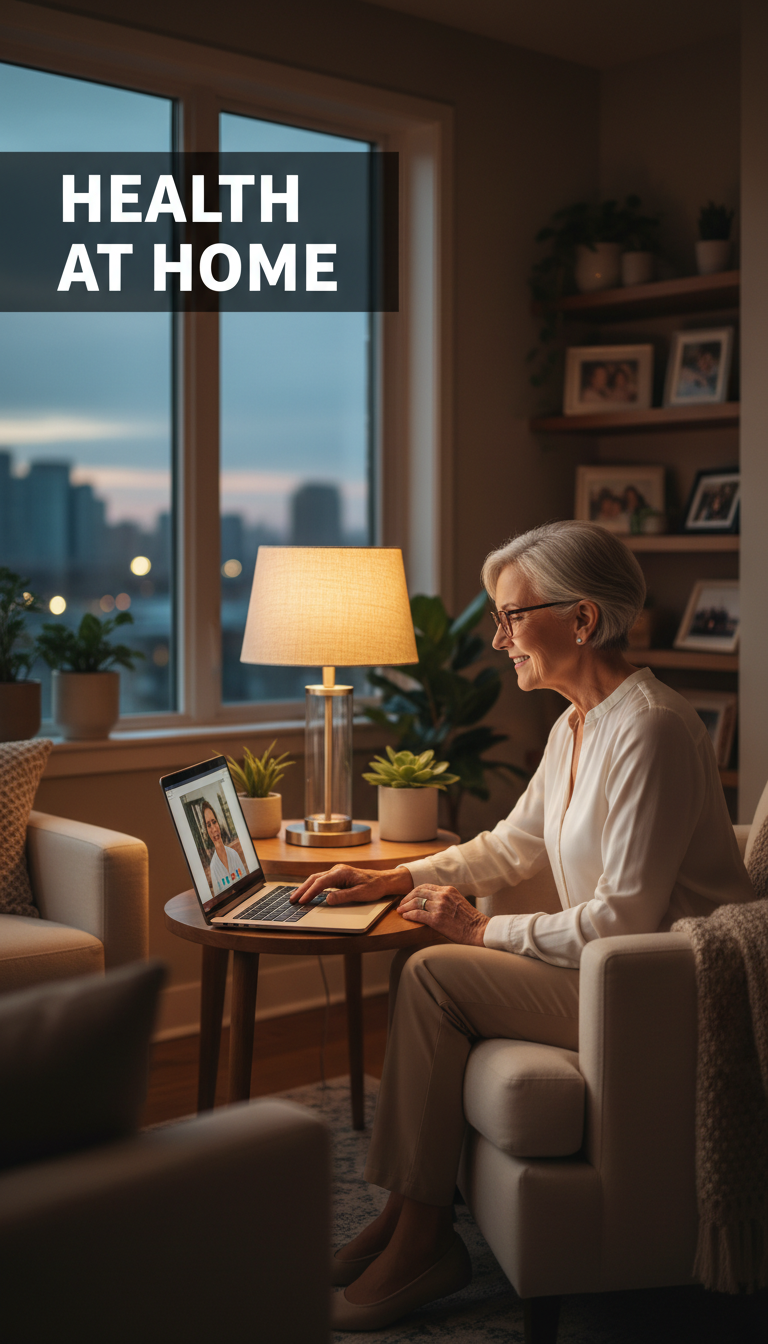
One of the most significant trends is the integration of technology into home health care. Telehealth services have surged in popularity, allowing patients to consult with healthcare professionals from the comfort of their homes. This not only improves accessibility but also reduces the burden on traditional healthcare facilities.
Wearable technology is also making waves. Devices such as smartwatches and fitness trackers monitor vital signs and alert caregivers to any irregularities. These innovations empower patients to take an active role in managing their health, providing real-time data to their healthcare providers.

Personalized Care Plans
The future of home health care is increasingly personalized. Care plans are now tailored to meet individual needs, preferences, and medical histories. This approach enhances patient satisfaction and outcomes, as treatments and interventions are specifically designed for each person.
Artificial intelligence and machine learning play a crucial role in this personalization. By analyzing vast amounts of data, these technologies can predict health trends and recommend preventive measures, ensuring that patients receive the most effective care possible.
Challenges and Opportunities
Despite the advancements, the sector faces challenges, such as ensuring data security and privacy. As technology becomes more integrated, safeguarding patient information is paramount. Healthcare providers must invest in robust cybersecurity measures to build trust and compliance.

Additionally, there is an opportunity to bridge the gap between rural and urban healthcare services. Telehealth and mobile health units can provide quality care to underserved areas, reducing disparities and improving health outcomes across different regions.
The Role of Caregivers
Caregivers remain a vital component of home health care. As technology evolves, their roles are also transforming. Training programs focused on new technologies and care techniques ensure that caregivers are well-equipped to handle modern healthcare needs.
This evolution also highlights the importance of mental health support for caregivers, as they navigate the complexities of modern home health care. Providing resources and support networks can help reduce burnout and improve the quality of care provided.

Conclusion
The future of home health care is bright, with numerous innovations and trends poised to enhance the quality and accessibility of care. By embracing technology and focusing on personalized care, the industry can meet the growing needs of patients while overcoming existing challenges. As we look ahead, it's clear that home health care will continue to be a vital part of the healthcare ecosystem, offering comfort and convenience to patients around the world.