
Myths About In-Home Therapy for Seniors: What Miami Families Need to Know


Understanding In-Home Therapy for Seniors
In-home therapy for seniors has become a popular option for families in Miami looking to provide their loved ones with quality care in the comfort of their own homes. However, many myths and misconceptions surround this service, causing unnecessary confusion and concern. In this post, we'll address some of the most common myths and provide clarity on what families need to know.

Myth 1: In-Home Therapy Is Only for Severe Cases
A common misconception is that in-home therapy is only suitable for seniors with severe health issues. In reality, in-home therapy is a flexible service tailored to meet a wide range of needs. Whether a senior is recovering from surgery, managing a chronic condition, or simply requiring assistance with mobility, in-home therapy can be customized to support various health goals.
This personalized approach ensures that seniors receive the appropriate level of care without having to leave their homes, allowing them to maintain their routines and independence.
Myth 2: It’s Too Expensive
Cost is often a significant concern for families considering in-home therapy. Many assume that it is prohibitively expensive. However, when compared to the cost of hospital stays or long-term care facilities, in-home therapy can be a more affordable option. Additionally, many insurance plans, including Medicare, offer coverage for certain types of in-home therapy services.
It's essential to explore all financial options and speak with insurance providers to understand what is covered, ensuring that families can make informed decisions without breaking the bank.
Myth 3: In-Home Therapy Lacks Professionalism
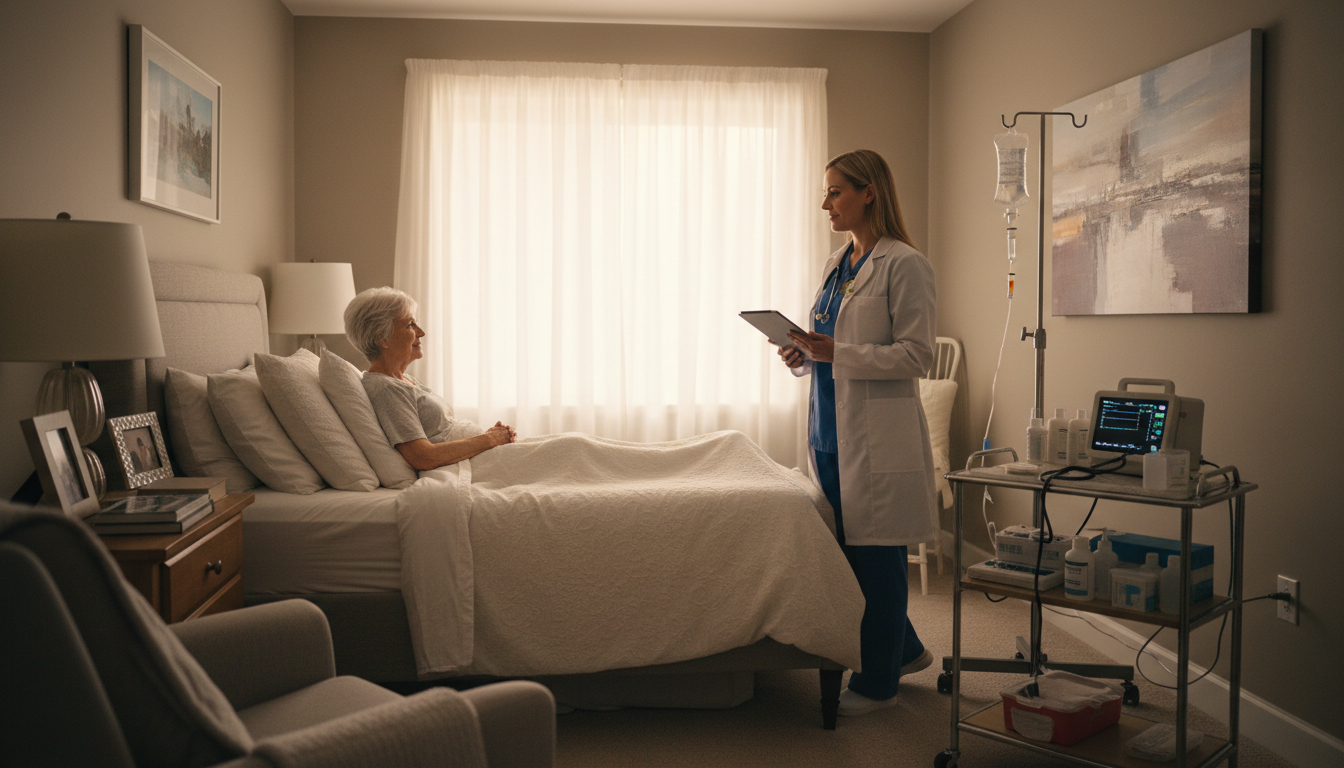
Some people worry that in-home therapy might not be as professional as care provided in a clinical setting. This simply isn't true. In-home therapists are highly trained professionals who adhere to the same standards and regulations as those working in hospitals or clinics. They bring specialized equipment and create a safe and effective treatment environment right at home.
- Licensed therapists
- Personalized care plans
- Regular progress assessments
Myth 4: It’s Just Physical Therapy
While physical therapy is a common form of in-home care, it's not the only type of therapy available. In-home services can include occupational therapy, speech therapy, and even mental health support. This comprehensive approach addresses a variety of needs, promoting overall well-being and enhancing quality of life.

Families can work with healthcare providers to determine which types of therapy are most appropriate for their loved ones, ensuring a holistic approach to care.
Making the Right Choice for Your Family
Understanding the realities of in-home therapy can help Miami families make informed decisions about their loved one's care. By dispelling these myths, families can feel confident in exploring this valuable service, knowing it offers flexibility, affordability, and professional care tailored to their needs.
For those considering in-home therapy, consult with healthcare professionals to explore the best options available. With the right information, you can ensure your loved one receives the compassionate and effective care they deserve.