
Expert Tips for Managing Elderly Care at Home During Hot Weather


Understanding the Risks of Hot Weather
Hot weather can pose significant risks to the elderly, who are more susceptible to heat-related illnesses. Their bodies may struggle to adjust to sudden temperature changes, making them more vulnerable to dehydration and heatstroke. It’s important to recognize these risks and take proactive steps to ensure their safety and well-being.
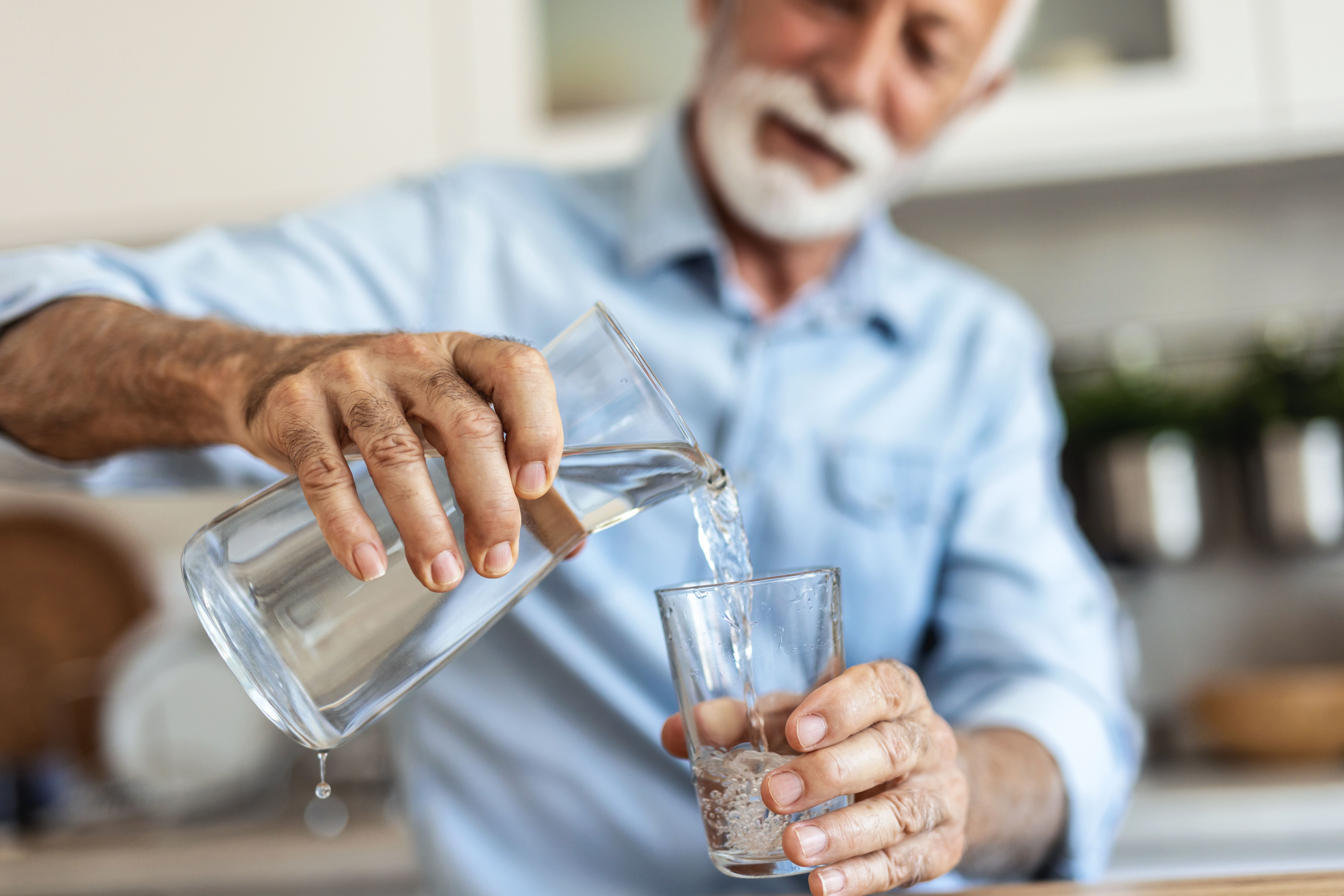
Staying Hydrated
One of the most crucial aspects of managing elderly care during hot weather is ensuring they stay properly hydrated. Encourage them to drink water regularly, even if they do not feel thirsty. Avoid drinks with caffeine or alcohol as these can lead to dehydration.
Consider providing a variety of water-rich foods such as fruits and vegetables. Foods like watermelon, cucumbers, and oranges can be refreshing and help maintain hydration levels.
Creating a Cool Home Environment
Maintaining a cool indoor environment is essential. Use fans or air conditioning to keep the home at a comfortable temperature. If air conditioning is not available, ensure proper ventilation by opening windows during cooler parts of the day and using blinds or curtains to block out the sun.
Encourage the elderly to spend time in the coolest parts of the home and avoid using heat-generating appliances during the hottest times of the day.
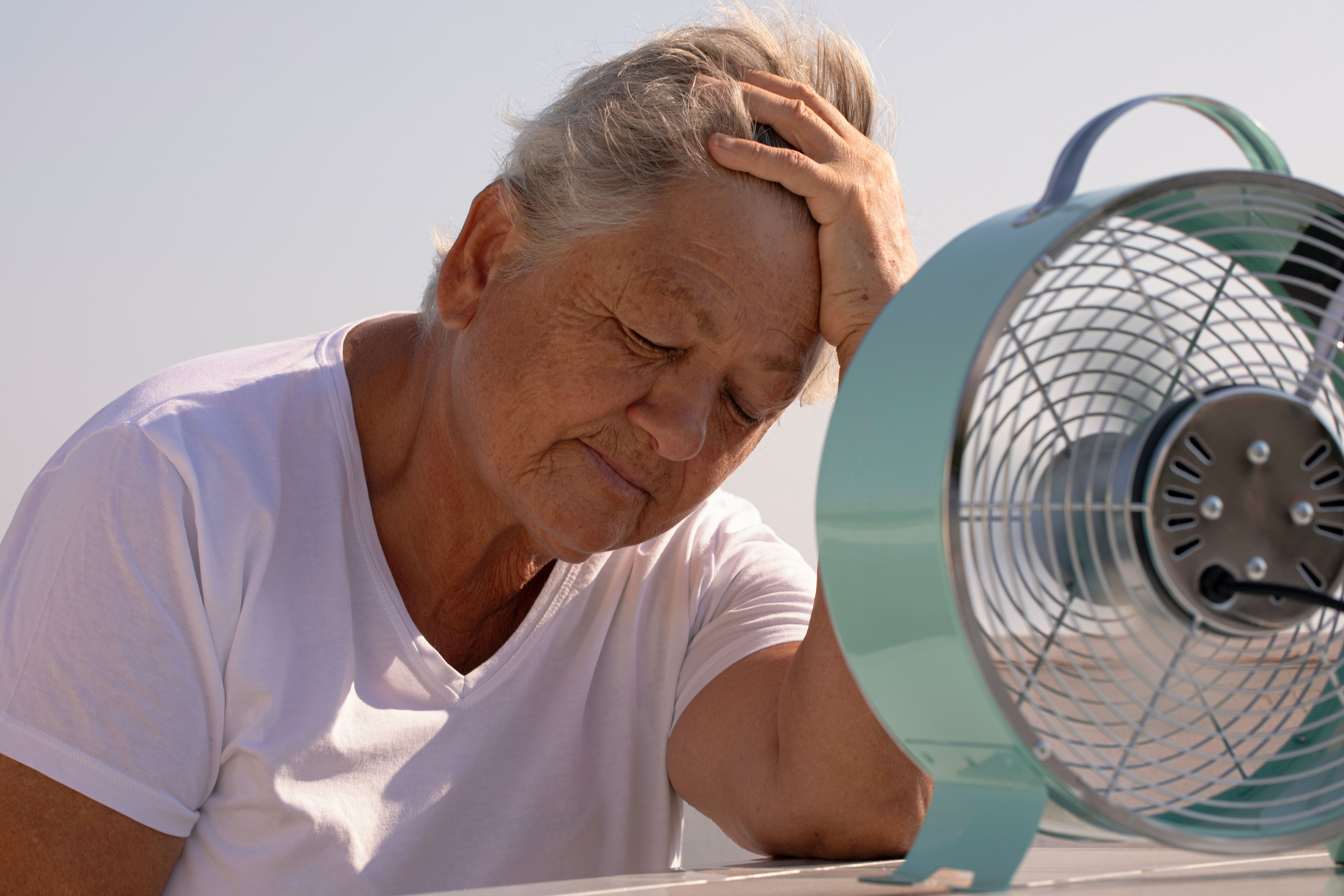
Dressing Appropriately
Clothing choice can significantly impact comfort levels during hot weather. Encourage wearing lightweight, loose-fitting, and light-colored clothing. Materials like cotton can help the skin breathe and reduce the risk of overheating.
Monitoring Health and Well-being
Keep a close eye on the elderly for any signs of heat-related illnesses, such as excessive sweating, dizziness, or nausea. Regularly check their body temperature and be alert for any changes in behavior or physical condition.

Planning Outdoor Activities
If outdoor activities are planned, it’s best to schedule them during the cooler parts of the day, such as early morning or late evening. Ensure they wear a hat and sunscreen, and bring water to stay hydrated.
Encourage resting in shaded areas and limit exposure to direct sunlight to prevent overheating.
Seeking Professional Advice
If you are unsure about how to manage care during extreme heat, consult with healthcare professionals. They can provide personalized advice based on the specific health conditions of your elderly family member.
Consider setting up regular check-ins with a healthcare provider to monitor their health and adjust care strategies as needed.