
Expert Tips for Effective Home Physical Therapy


Understanding Home Physical Therapy
Home physical therapy is a convenient and effective way to manage and improve physical conditions without the need for frequent clinic visits. By incorporating specific exercises and techniques into your daily routine, you can accelerate your recovery and enhance your overall well-being. It's crucial to understand the basics of physical therapy and how to adapt it to your home environment.
One of the primary benefits of home physical therapy is the ability to perform exercises at your own pace. This flexibility allows you to focus on your individual needs and progress at a comfortable rate. However, it's essential to maintain consistency and follow the prescribed regimen for optimal results.
Setting Up Your Home Environment
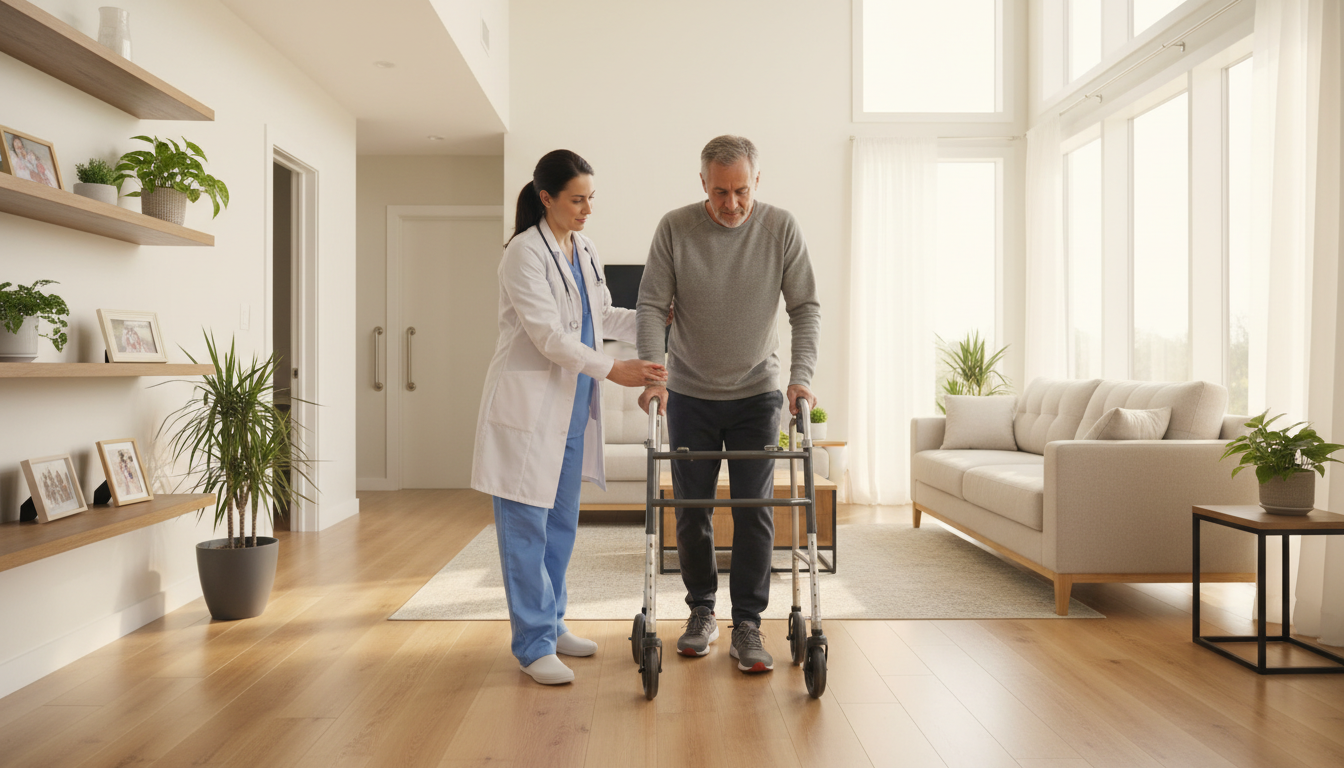
Creating a suitable environment for home physical therapy can significantly impact your progress. Ensure you have a dedicated space that is free from clutter and distractions. This area should have enough room for you to move freely and perform exercises safely.
Investing in some basic equipment can also enhance your home therapy experience. Items such as resistance bands, exercise mats, and stability balls are affordable and can be used for a variety of exercises. Be sure to consult with your physical therapist to determine which equipment is most appropriate for your specific needs.
Developing a Routine
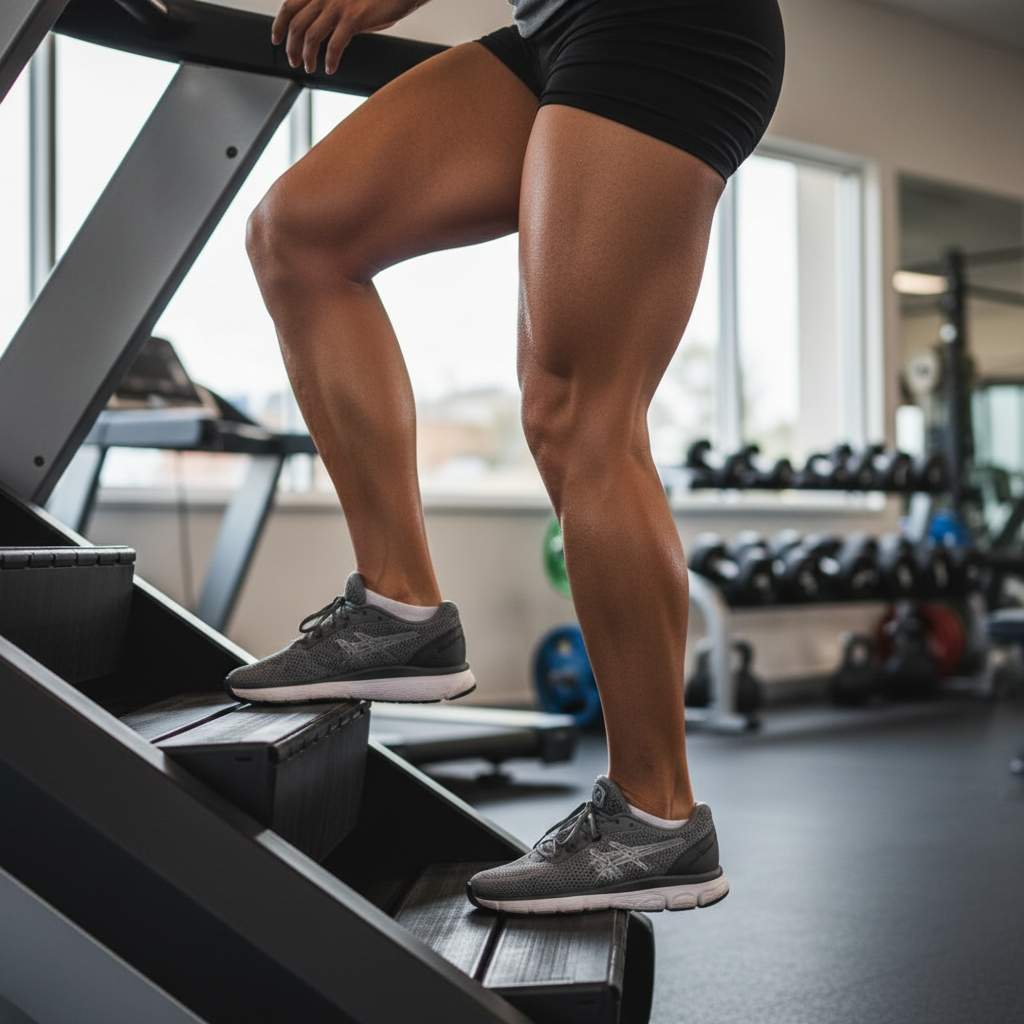
Establishing a consistent routine is key to effective home physical therapy. Set aside dedicated time each day for your exercises, and treat this time as an important appointment with yourself. Consistency will help you build strength, improve flexibility, and enhance your overall physical health.
Consider using a planner or digital calendar to schedule your sessions. This can serve as a reminder and help you track your progress over time. Remember, the goal is to incorporate these exercises into your daily life, making them a natural part of your routine.
Techniques for Success
Maximize your home physical therapy by focusing on proper techniques. Pay close attention to your posture and form during exercises to prevent injuries and ensure effectiveness. If you're uncertain about any movements, consult your therapist for guidance.
Incorporating breathing exercises can also enhance your sessions. Proper breathing helps maintain focus and can increase the efficiency of your workouts. Inhale deeply through your nose and exhale through your mouth, synchronizing your breath with each movement.
Monitoring Your Progress
Regularly monitoring your progress is essential to understanding how well your home physical therapy is working. Keep a journal or use a mobile app to record your exercises, noting any improvements or challenges you encounter. This information can be valuable when discussing your progress with your therapist.
It's important to celebrate small victories along the way. Recognizing improvements, no matter how minor, can boost your motivation and encourage you to continue with your therapy regimen.
Seeking Professional Guidance
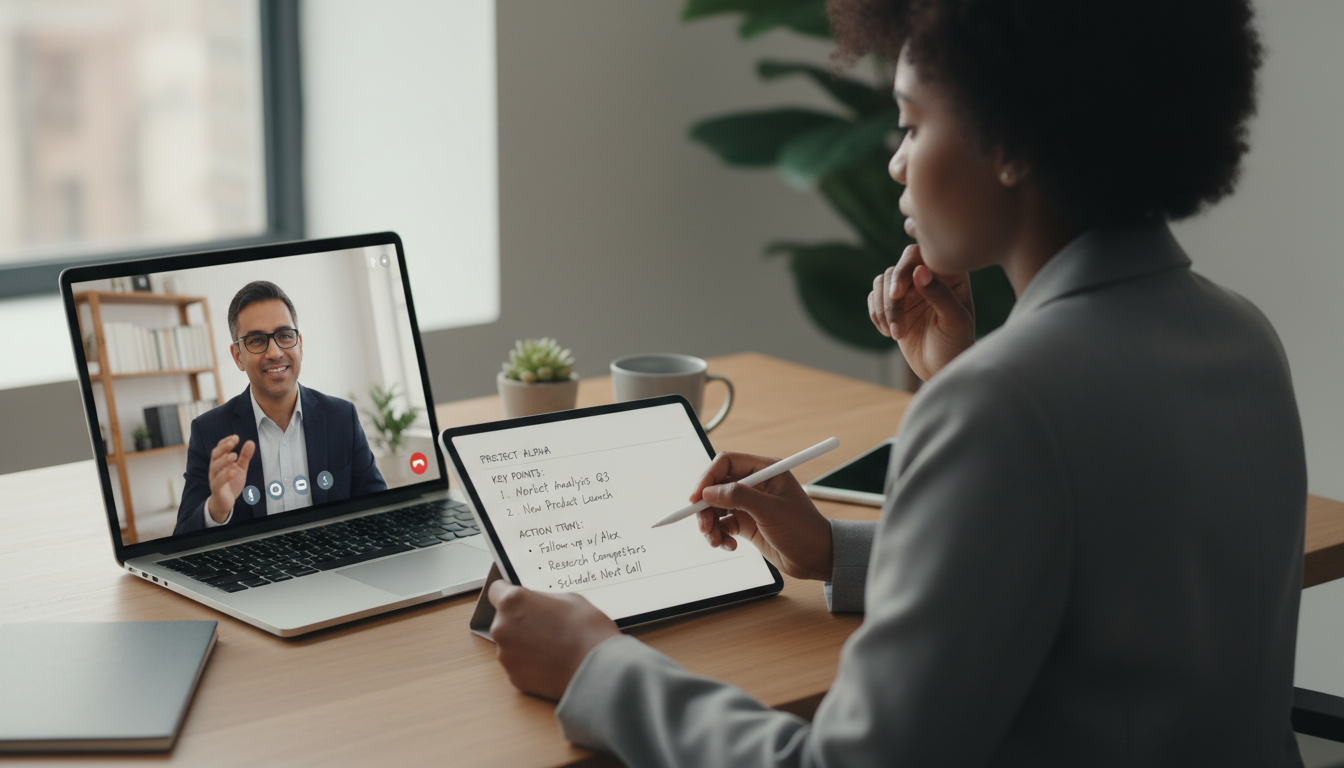
While home physical therapy offers flexibility, it's vital to maintain regular communication with your physical therapist. They can provide expert advice, adjust your exercise plan, and ensure that you're progressing safely. Virtual consultations can be an effective way to stay connected with your therapist if in-person visits are not feasible.
Don't hesitate to reach out if you experience any pain or discomfort during your exercises. Timely intervention can prevent further complications and keep you on the path to recovery.
Staying Motivated
Staying motivated can be challenging, but setting realistic goals can help maintain your enthusiasm for home physical therapy. Break your overall objectives into smaller, achievable milestones, and reward yourself for reaching them. This approach not only keeps you motivated but also makes the process more enjoyable.
Enlist the support of family members or friends who can encourage you and hold you accountable. Sharing your journey with others can provide a sense of community and make your therapy sessions more enjoyable.
Conclusion
Effective home physical therapy requires dedication, consistency, and the right mindset. By setting up a suitable environment, developing a routine, and focusing on proper techniques, you can achieve significant improvements in your physical health. Remember to seek professional guidance when necessary and stay committed to your goals. With time and effort, home physical therapy can lead to a healthier, more active lifestyle.